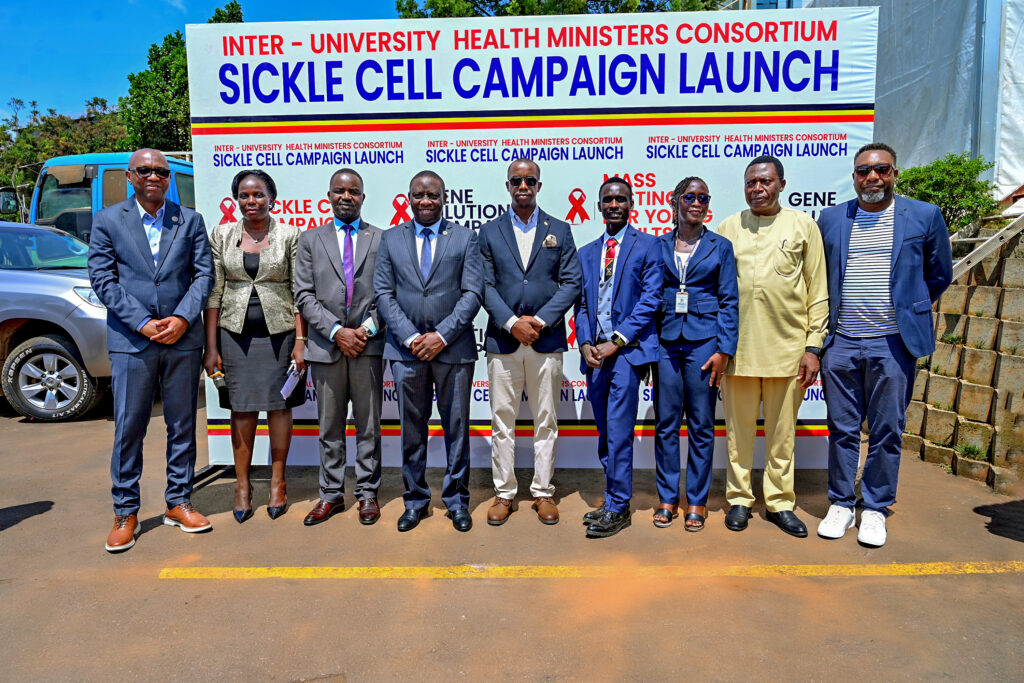
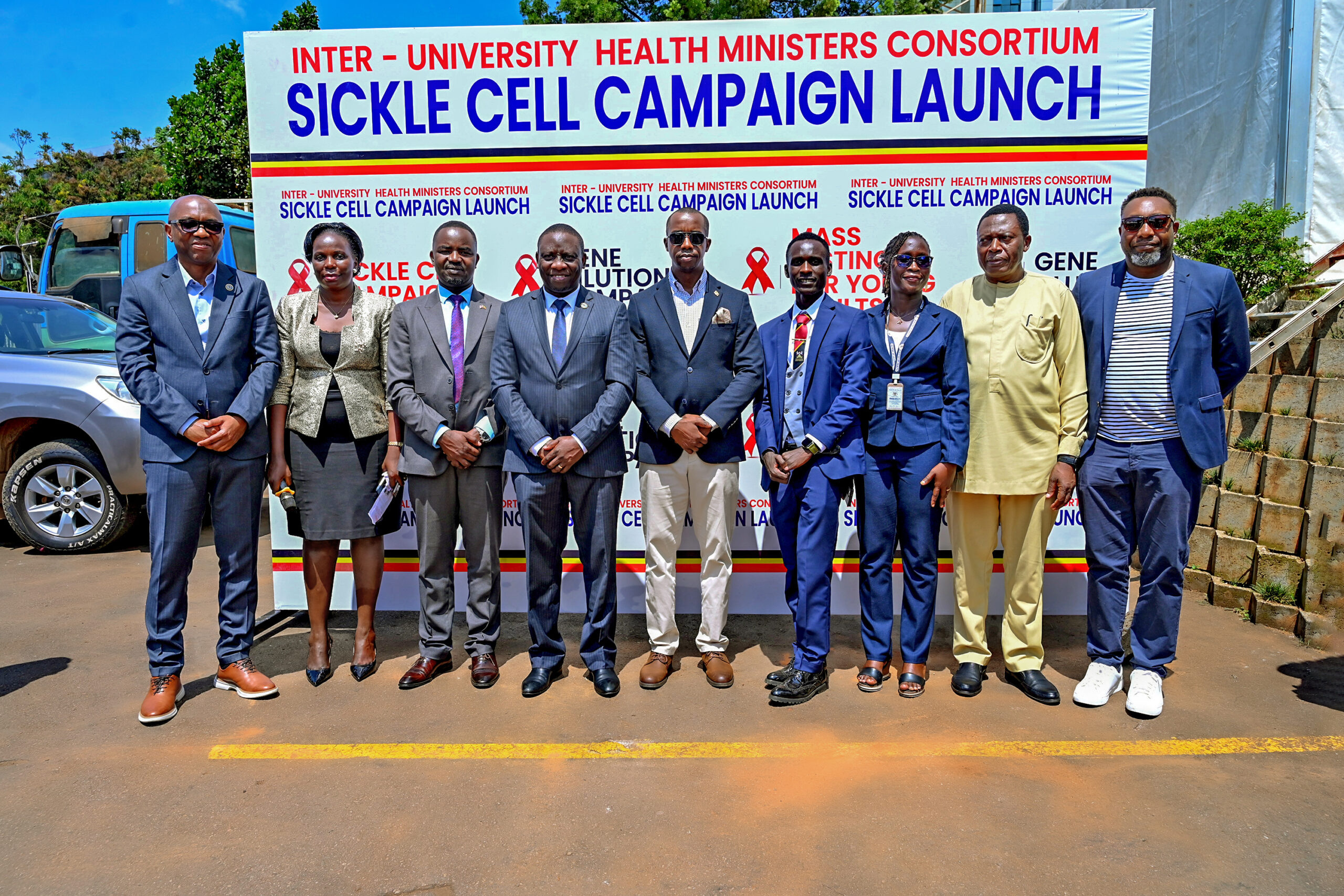
On 26th June 2026, student health leaders from universities and health training institutions across Uganda gathered for the official launch of the International University Health Ministers Consortium (IUHMC) and the Sickle Cell Disease Campaign at the Ministry of Health headquarters under the theme:
“Creating a Window of Hope for Sickle Cell Among Young Adults Through the Role of Student Leaders.”
The launch brought together student representatives from multiple institutions, including Makerere University, Mbarara University of Science and Technology, Busitema University, Gulu University, Soroti University, Lira University, Victoria University, Victoria School of Nursing, Gulu College of Health Sciences, among others. The initiative aimed to strengthen youth-led advocacy in health awareness, with a particular focus on sickle cell disease.

Sickle Cell Disease Burden in Uganda
Delivering the keynote remarks, Dr. Charles Olaro, Director General of Health Services at the Ministry of Health, emphasized that sickle cell disease remains a significant public health concern affecting communities across Uganda.
He noted that approximately 0.7% to 1% of Uganda’s population lives with sickle cell disease, while 13.1% are carriers of the sickle cell trait, many of whom are unaware of their status. He further highlighted that an estimated 20,000 babies are born with sickle cell disease annually, underscoring the urgency of increased awareness and early testing.

Youth at the Center of Prevention Efforts
Dr. Olaro emphasized the importance of engaging young people, particularly student leaders, in awareness campaigns due to their influence within communities and institutions.
“The choices young people make today will impact future generations. We must equip them with information and tools so they can make informed decisions.”
He also noted that while significant progress has been made in HIV awareness over the past decade, it is now time to elevate sickle cell disease to the same level of national attention.
He encouraged young people to know their genotype before making long-term decisions around marriage and family planning, stressing the importance of informed health choices.
During discussions, Dr. Charles Olaro also emphasized the importance of collective action, encouraging all organizations and stakeholders to join efforts in addressing the burden of sickle cell disease in Uganda.
Broader Health Focus and Youth Leadership
A representative from the Sexual and Reproductive Health sector highlighted that while sickle cell disease was the central focus of the launch, the consortium would also provide a platform to address other health challenges affecting young people, including mental health and non-communicable diseases.
He emphasized the role of youth leadership in driving community change, noting that Uganda’s youthful population presents a powerful opportunity for health transformation.
“We can bring sickle cell disease down in our communities, and it all begins with us, the youth.” – He emphasized
Government Commitment and Policy Support
The Chief Guest, Hon. Charles Ayume, representing the Minister of Health, commended ongoing national efforts to strengthen sickle cell disease prevention and management.
He highlighted key interventions including newborn screening programs, national strategies developed in collaboration with partners, and the local production of hydroxyurea through Quality Chemical Industries Limited.

Hon. Ayume described the IUHMC launch as a strategic step in engaging youth as active partners in disease prevention. He encouraged student leaders to use the consortium as a platform for outreach within their institutions and communities.
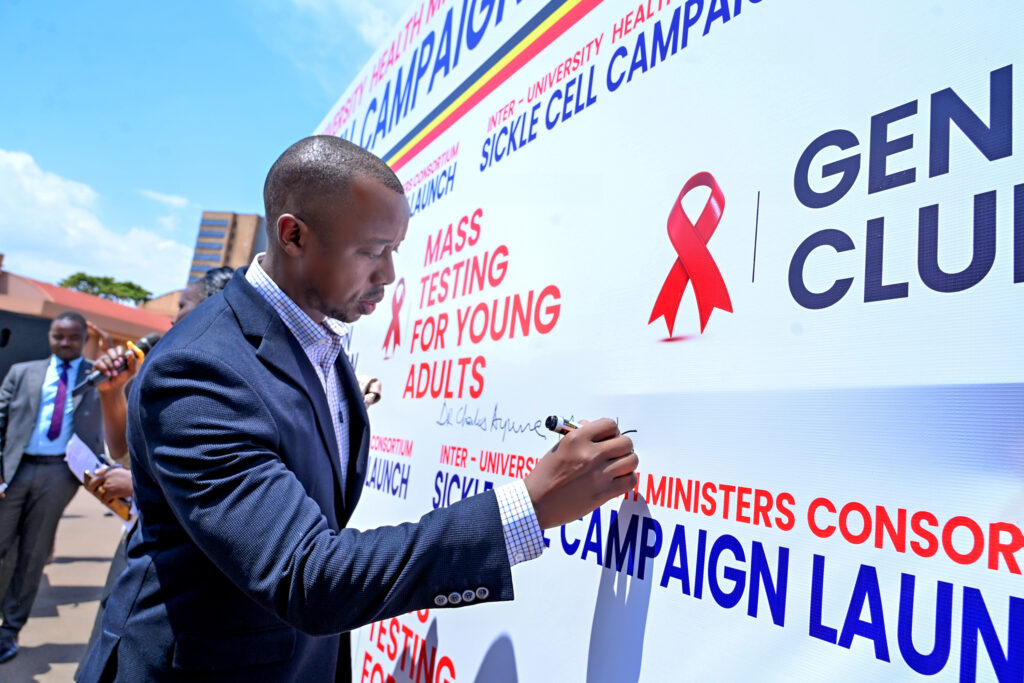
During the launch, he signed a commitment pledge on behalf of the Ministry of Health, reaffirming support for youth-led initiatives through technical assistance, information sharing, and testing resources. Representatives from participating institutions also signed commitments to champion awareness efforts.
IUHMC Leadership Commitment
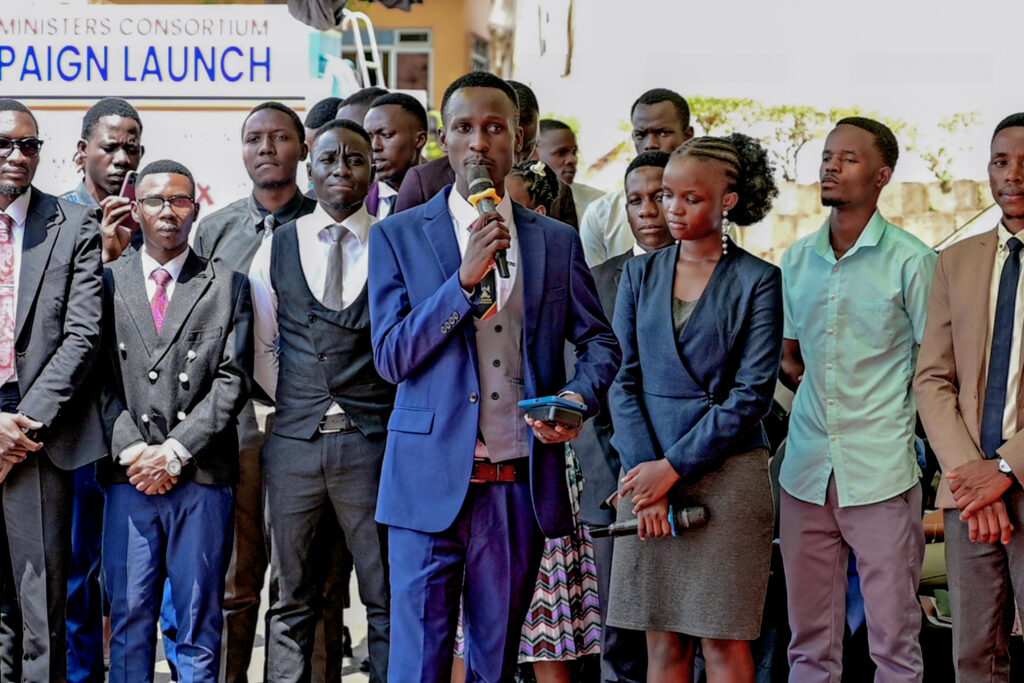
Speaking on behalf of the consortium, IUHMC Chairperson Ebenezer Wamezaya from Makere University reaffirmed the commitment of student leaders to collaborate with the Ministry of Health in driving awareness and prevention efforts.
“We commit ourselves to creating a future free from preventable suffering caused by sickle cell disease.”
Campaign Pillars
The Sickle Cell Disease Campaign will focus on three key pillars:
- Mass testing of young people
- Informed decision-making to reduce transmission of the sickle cell gene
- Establishment of awareness and “gene clubs” in institutions
Free Testing Exercise
Following the launch, participants engaged in a free sickle cell testing exercise. Some students were tested at the event venue, while others were transported by the Ministry of Health to Makerere University School of Engineering, where testing continued in partnership with Microhaem Scientific.
The exercise provided young people with an opportunity to know their genotype and make informed health and future family planning decisions.
A key message reinforced throughout the day was:
“Test before you taste.”
This slogan served as a reminder for young people to prioritize knowing their genetic status before making long-term relationship and reproductive decisions.
Raremark Foundation Perspective
Raremark Foundation welcomes the launch of the IUHMC and Sickle Cell Disease Campaign, describing it as a significant step toward empowering young people with knowledge and strengthening community-led health awareness efforts.
The organization notes its openness to collaboration with student leaders, institutions, government, and partners to expand awareness and improve outcomes for individuals and families affected by sickle cell disease.
Conclusion
The launch of the IUHMC marks an important milestone in positioning young people at the center of sickle cell disease awareness and prevention. Through collaboration, education, and early testing, stakeholders aim to reduce preventable suffering and build a healthier future generation.